Jun 25, 2025
/
3 min read
Originality Is Overrated (Seriously, Just Copy It)
Share this article
We put way too much pressure on being original.
We’ve been fed this idea since we were kids: “Be original!”
Cool in theory. Exhausting in practice.
Especially in creative work, design, music, writing, and branding, there’s this idea that you have to come up with something new to be taken seriously. That if it’s not never-before-seen, it’s not worth doing.
But let’s be honest: life is too short to sit around trying to invent new shapes. You’re not here to reinvent the wheel. You’re here to make it roll.
The truth? All great work is borrowed. All great artists steal.
And that’s not a flaw, it’s how progress happens.
Nothing Is 100% Original (And That’s Okay)
Behind every “original” idea is a trail of influence.
Designers borrow grids and layouts. Writers remix old stories. Filmmakers reuse camera shots. Your favorite artist probably sampled someone else’s track, who sampled someone else before that.
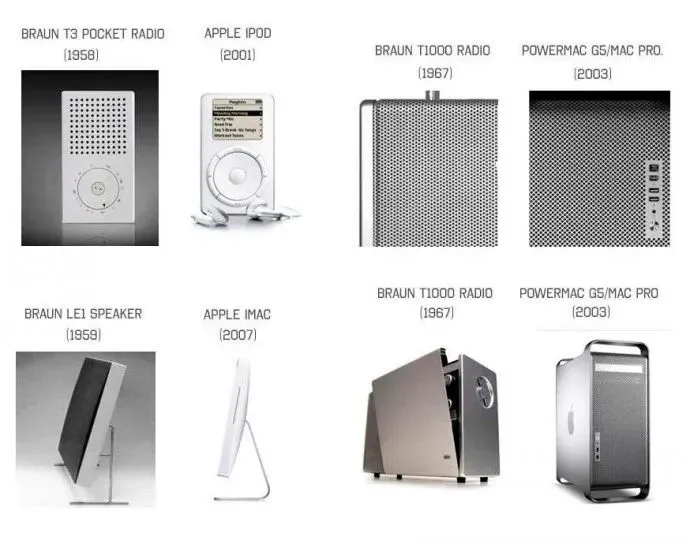
That’s how creativity works.
Ideas don’t pop out of nowhere. They evolve. They travel. They get updated, recontextualized, and shaped by whoever’s holding them next.
Trying too hard to be original can backfire. You overthink things, chase novelty for novelty’s sake, and end up with work that’s confusing or just plain ineffective. Meanwhile, someone else takes an existing idea, tweaks it, and ships something useful.
Guess who wins?
Stealing Is a Skill (Copy With Taste)
Let’s be clear, we’re not talking about plagiarism.
We’re talking about borrowing structure, adopting patterns, and remixing with purpose.
When you copy a format that works: a pitch deck, a product page, a storytelling structure, you’re learning from someone else’s success. You’re studying what makes it click. And if you’re smart, you’ll adjust it to fit your own voice, audience, and goal.
Use what you need. Leave what you don’t.
Tweak it. Break it. Rebuild it. Make it feel like you.
This isn’t cheating. It’s how your creative instincts sharpen over time.
Copying Isn’t Losing Yourself
Let’s clear something up: copying ideas doesn’t mean copying identity.
You can borrow a method, a visual system, or a layout and still be entirely yourself.
You’re not less original because you used a tried-and-true design. You’re not less you because you borrowed a framework that helped someone else. Your style, your tone, your thinking — those still show up. Always.
What you’re copying is what works, not who they are.
So no, you’re not faking it. You’re learning, iterating, and building smarter. You’re showing up with your own context, your own judgment, and your own twist.
That’s more honest (and more creative) than forcing something “new” just to feel special.
Perfection Is Boring, Progress Is Better
The point of design (or writing, or music, or anything else) isn’t to be the first.
It’s to be clear. To resonate. To move someone or solve something. Suppose that happens through an updated idea or a familiar pattern with a new twist, that’s more than okay. That’s how ideas stay alive.
Some of the best design is invisible. Some of the best writing feels like something you’ve heard before, just said better. The originality is in how you say it, shape it, and deliver it to your people.
The Playbook Looks Like This:
Find something that works.
Steal the skeleton.
Dress it up in your voice.
Make it make sense for your context.
Ship it.
Repeat until someone copies you.
Your voice won’t appear out of thin air. It’ll emerge after enough rounds of tweaking what already exists and doing it with care, taste, and intention.
So, stop waiting for the one true idea or the myth that originality means starting from zero.
Just copy it. Remix it. Make it yours.
And get back to doing the actual work.
Written by Faisal Abdullateef. Y
Read more